
How to Transition Your Bedroom From Winter to Spring
A winter bedroom often has a particular kind of presence. The bed feels substantial, blankets are kept close at hand, and layers of texture give the room a sense of enclosure. There is comfort in that arrangement, especially when the evenings are cold and the bedroom becomes somewhere to retreat from the weather.
As spring approaches, the same arrangement can begin to feel a little heavy. The instinct might be to strip everything back, introduce lighter colours and start again. But a bedroom rarely needs such a dramatic change. Much of what makes it inviting in winter can remain; it simply needs to be arranged differently.

The most useful bedroom refresh ideas often come from understanding what to keep, what to put away and where a small change in texture or proportion can make the greatest difference. A familiar bed can feel entirely different with fewer layers, a softer contrast between fabrics or a throw placed where it becomes part of the styling rather than another source of warmth.
Begin with the weight of the bed
The bed is usually the first place to make a seasonal adjustment, but this doesn’t mean removing every winter layer at once. A quilt or blanket that provided essential warmth through winter may still be useful on cooler spring evenings. The difference is in how prominently it is featured.
Consider reducing the number of layers that sit on the bed permanently. A quilt can remain as the main covering, while a heavier blanket is folded at the foot rather than spread across the entire surface. Alternatively, a lighter blanket can become the visible top layer, with the warmer option kept nearby for nights when it is needed.
This approach preserves the sense of comfort associated with winter without allowing the bed to dominate the room. It also gives each piece a clearer role. Instead of several layers competing for attention, the eye can settle on the sheet, the main covering, and one carefully considered finishing detail.
For bedding that works across seasons, material choice matters as much as weight. bemboka’s linen bedding collection includes sheets, duvet covers and pillowcases designed around breathability, durability and long use. Linen’s natural texture gives the bed visual interest even when the heavier layers are removed, so the styling doesn’t depend on adding more.
Let texture replace some of the heaviness
Winter styling often relies on accumulation. A thick blanket, a substantial quilt and several cushions can create the layered look that makes a bed feel inviting. When spring arrives, removing these pieces can leave the bed looking unexpectedly bare.
The answer isn’t necessarily to introduce more colour or decoration. Texture can provide the depth that heavier layers once supplied.
A linen sheet has a relaxed, slightly irregular surface. Cotton percale offers a crisper finish, while a knitted blanket introduces a more pronounced pattern through its construction. These differences can be enough to make a bed feel considered, even when the palette remains restrained.

This is particularly effective in bedrooms where the colours are already fairly quiet. Rather than introducing a new accent shade simply to signal the change of season, allow the fabrics to do more of the work. A smooth sheet beneath a textured blanket creates contrast without requiring a busy pattern or another decorative element.
Bemboka’s cotton blankets offer another way to introduce this contrast. Different knitted structures bring their own character to the bed, allowing texture to remain part of the styling even as the overall arrangement becomes lighter.
Reconsider the way the bed is finished
A bed can look completely different depending on where its layers sit. A blanket pulled neatly across the mattress creates a more formal appearance, while one folded at the foot introduces a little asymmetry. A throw draped loosely over one corner can soften an otherwise precise arrangement.
These are small adjustments, but they change the relationship between the individual pieces. The aim isn’t to make the bed look deliberately undone. It is to avoid making every layer perform the same visual function.
For spring, a simpler arrangement can allow the quality of the textiles to become more noticeable. The sheet has room to show its texture, the quilt becomes the main visual anchor, and a single throw adds contrast without crowding the bed.
There is a useful distinction here between layering for warmth and layering for appearance. During winter, the two often work together. As the weather changes, the decorative layer can remain even when the heavier covering is no longer needed every night.
For more ideas on arranging bedding, bemboka’s guide to styling a bed like a hotel explores the role of bed linen, blankets, pillows and throws in creating a considered finish.
Keep the colour palette, change the composition
Spring is often associated with pale colours, fresh greens and floral patterns. These can work beautifully, but a seasonal transition doesn’t require a new palette. In fact, simply replacing colours because the season has changed can make the bedroom feel less connected to the rest of the home.
A more subtle approach is to reconsider how existing colours are distributed across the bed. A dark or richly coloured blanket might be folded away, allowing lighter sheets to occupy more of the bed. A neutral throw can introduce a softer transition between the bedding and the furniture. Even keeping the same colours but reducing the number of layers can make the room feel noticeably different.
This is where texture and colour work together. A muted palette can still have depth when fabrics contrast in their finish, weave and weight. The result feels fresh without relying on seasonal motifs or decorative pieces that may only suit the room for a few months.
For a deeper look at this approach, bemboka’s Journal article on creating calm luxury through colour and texture explores how material contrast can add richness to a room without making it feel crowded.
Give the heavier pieces a different role
Putting winter bedding away doesn’t have to mean removing every trace of it from the room. Some of the most versatile pieces can still be useful, even if they no longer belong on the bed every night.
A substantial blanket can be folded over a bedroom chair or stored within reach for cooler evenings. A wool throw that once formed part of the main bedding arrangement might become an occasional layer instead. The point is to change how these pieces are used, not treat them as items for only one season.
This also makes the transition more practical. Spring weather can be unpredictable, and having an extra layer nearby is often preferable to rebuilding the bed whenever the temperature drops. The room can look lighter without sacrificing the flexibility that made the winter arrangement comfortable.
It is worth considering storage at the same time. Bedding that is no longer in regular use should be clean and completely dry before being put away, with enough room to avoid compressing delicate fabrics unnecessarily. Before cleaning individual pieces, check their care labels or consult the ACCC’s guide to caring for clothing and textiles to understand the recommended care instructions. Bemboka’s guide to spring cleaning your linen closet offers further advice on sorting, caring for and organising household linen as the season changes.
Resist the urge to fill every empty space
Once the heavier layers have been removed, there can be a temptation to compensate by adding cushions, decorative objects or new accessories. But an empty patch of the bed isn’t necessarily a problem to solve.
Space gives the remaining pieces room to be seen. It allows the fabric to fall naturally and makes differences in texture more apparent. The same principle applies to the bedside table and other surfaces: a few well-chosen objects can feel more considered than a collection assembled to make the room look finished.
This doesn’t mean the bedroom needs to become minimalist. Personal objects, books and familiar details are part of what makes a room feel lived in. The question is whether an addition contributes something or whether it is simply filling a space that has become available.
When transitioning from winter to spring, that restraint can be particularly useful. Rather than trying to replace every layer that has been removed, allow the room to settle into its new arrangement before deciding whether anything else is needed.
A seasonal change that still feels like home
The best spring bedroom styling doesn’t have to announce itself. It can be a familiar bed with a lighter arrangement, a blanket folded differently, or a texture that becomes more noticeable once the heavier layers have been put away.
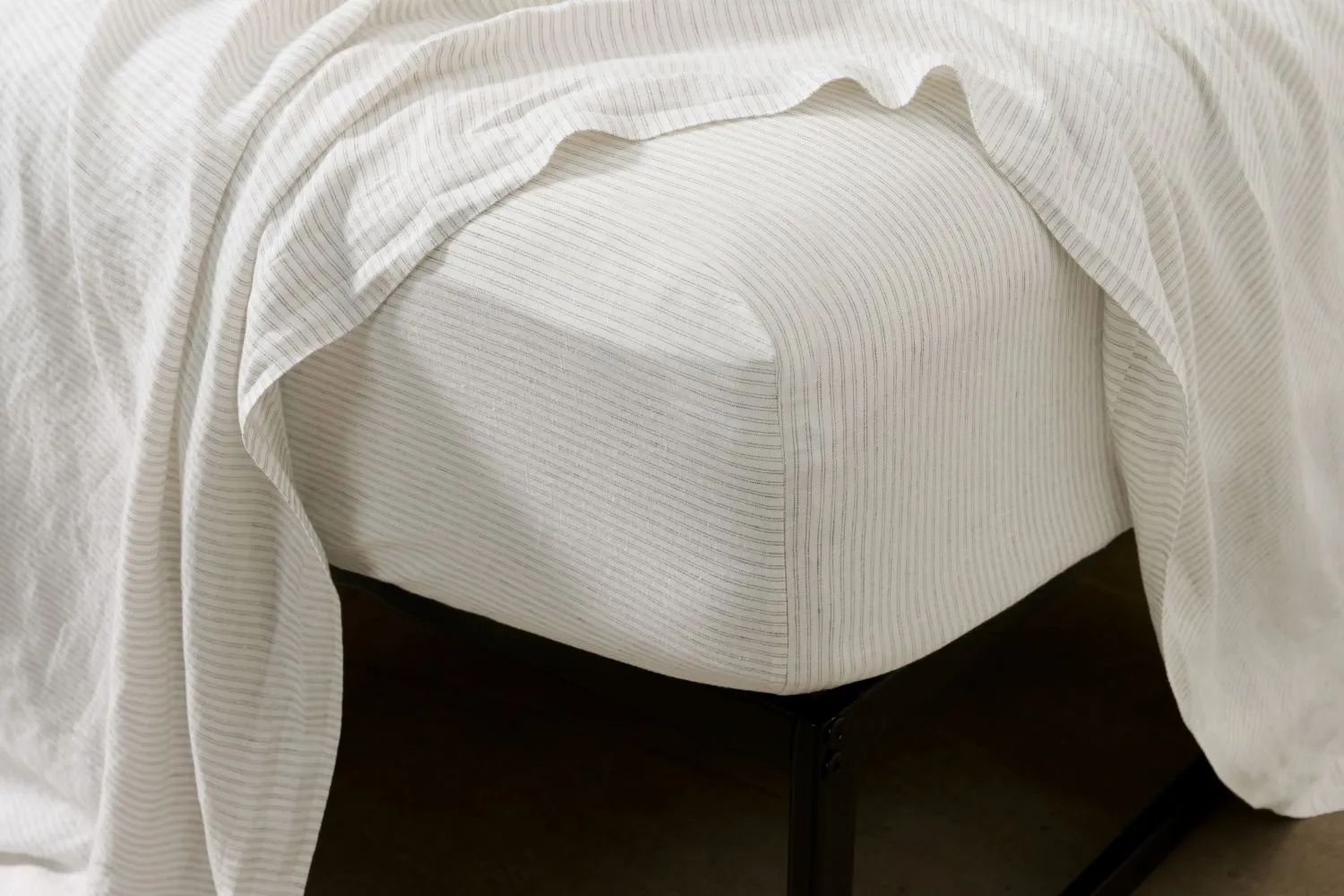
These changes are modest, but they allow the bedroom to evolve without losing the qualities that made it inviting in the first place. The room still feels familiar. It simply has more room to breathe, visually and practically, as the weather changes.
And that is often a better starting point than a complete makeover. Keep the pieces that work, reconsider how they are used, and let material, texture and proportion guide the transition. A bedroom can feel ready for spring without needing to look like an entirely different room.
share this


Featured Products




Read More

October 8, 2026 By bemboka
Spring Bedroom Refresh: Rethinking Your Space For The Season
Why Spring Is The Perfect Time To Refresh Your Bedroom The bedroom is often the last room to acknowledge...
November 11, 2026 By bemboka
Light and Airy Bedroom Ideas Through Colour, Texture and Light
Light & Airy Bedroom Ideas for Spring Some bedrooms feel effortless because the elements work together. The bedding, curtains,...
October 1, 2026 By bemboka
Breathable Bedding For Spring And Summer: Choosing Comfort As Temperatures Change
Why Breathable Bedding Matters During Seasonal Transitions There is a strange period at the beginning of spring when the...