
Why Breathable Bedding Matters During Seasonal Transitions
There is a strange period at the beginning of spring when the weather seems unable to make up its mind.
One night calls for another layer. The next, you wake up wondering why the bed suddenly feels too warm.
The same bedding that felt perfectly comfortable a few weeks earlier can begin to feel different. Not necessarily wrong. Just less suited to the room, the weather and the way your body responds to both.
Those in-between nights are where breathable bedding starts to earn its place.

You don’t necessarily want to strip the bed back to the lightest possible layers. You just want it to feel comfortable when the temperature shifts, without having to keep reaching for another blanket or throwing one off halfway through the night.
The Best Bedding Doesn’t Always Feel The Same
We tend to think of bedding in fairly simple terms.
Warm bedding for winter. Lightweight bedding for summer.
But the space between those two is where things become more interesting.
A spring evening can begin pleasantly warm and end cool. A summer night may feel comfortable when you first get into bed, only for the room to become warmer as the night progresses. Your body is also changing throughout the night, continuously regulating its temperature rather than remaining at one fixed level.
Research into how bedding and sleepwear fibre types affect thermal comfort and sleep suggests that the relationship between materials, body temperature and sleep is more complex than simply choosing one “cool” or “warm” fabric.
That matters when choosing bedding.
The aim isn’t necessarily to find the lightest possible fabric.
It is to find something that feels comfortable as conditions change.
What Does Breathability Actually Mean?
Breathability is often used as a selling point, but it is worth looking beyond the word itself.
A breathable fabric allows air and moisture to move through it rather than creating a dense barrier between your body and the surrounding environment.
That can make a difference at night, particularly when the weather is warmer.
Linen and cotton are both natural plant fibres known for their breathability, although they behave differently. Linen tends to have a more open structure and distinctive texture, while cotton can feel quite different depending on the weave. Percale, for example, is known for its crisp, lightweight feel.
So when choosing breathable bedding for summer, it is not simply the fibre name that matters.
The construction matters, too.
The weight. The weave. The finish. And, perhaps most importantly, how the fabric feels when you actually live with it.
When The Weather Changes, Layers Give You More Control
There is something appealing about a bed that can adapt.
Rather than choosing one piece of bedding to do everything, you can build comfort in layers.
A breathable sheet can form the base. A lightweight blanket can be added when the evening feels cooler. A throw can sit within easy reach rather than becoming part of the bed every night.
This gives you options.
And options are particularly useful during seasonal transitions, when the difference between one night and the next can be surprisingly noticeable.
It is also one reason lighter bedding does not have to mean less comfort.
A well-chosen combination of breathable layers can feel more considered than one heavy piece that leaves you too warm once the temperature rises.
Linen And Cotton Don’t Need To Compete
There is a tendency to ask which natural fibre is “best”.
But that question misses something.
Linen and cotton offer different experiences, and how they differ in breathability, texture and performance can help determine which feels right for your bedroom.
Linen has a distinctive texture and naturally airy quality. It becomes softer with use and develops more character over time. Cotton, meanwhile, offers considerable versatility. Its feel can change dramatically depending on the weave, from the crispness of percale to softer, smoother constructions.
Neither needs to be treated as the universal answer.
In fact, a more thoughtful approach is to consider the qualities you notice every night.
Do you prefer a crisp surface against the skin?
Something with a little more texture?
A lighter layer that feels almost effortless?
Or bedding that has enough substance to carry you comfortably from one season into the next?
The answers are personal.
That is precisely why material choice matters.
Comfort Is About More Than Temperature

It is easy to reduce the conversation to staying cool.
But temperature is only one part of the experience.
There is the first touch of the sheet against your skin. The way a blanket falls across the bed. The movement of air through the fabric. The weight of the layers. Even the way a material changes after repeated washing and use.
These things accumulate.
A bedroom can look beautiful, but the textiles are what you actually live with.
That distinction becomes particularly noticeable in warmer months, when heavier or less breathable materials can feel more intrusive.
A breathable fabric tends to recede into the background.
You notice it less.
And sometimes that is exactly what good bedding should do.
Spring Is A Good Time To Reconsider Your Bedding
Seasonal changes often encourage us to change other things around the home.
We open the windows. Put heavier clothes away. Bring lighter colours and textures back into the rooms.
Bedding deserves the same consideration.
Australia’s spring runs from September to November, and Tourism Australia describes the season across much of the country as bringing warmer days and cooler nights.
That variation is precisely why a single seasonal switch can be too simplistic.
Instead of thinking, “winter bedding out, summer bedding in,” consider what your bed needs to do over the weeks ahead.
Perhaps the heavier blanket can be folded at the end of the bed rather than removed completely.
Perhaps a lighter sheet can become the main layer.
Perhaps linen or crisp cotton will feel more comfortable as the nights become warmer.
Small changes can make the bed feel noticeably different without replacing everything.
Choose Materials That Adapt With You
The most useful bedding isn’t necessarily the bedding that makes the biggest promise.
It is the bedding that continues to feel right.
Research suggests that different bedding materials can influence skin temperature and thermal comfort, while also highlighting how difficult it is to make universal claims about one fibre being better for sleep than another.
That is a useful distinction.
Because good bedding isn’t about chasing a particular temperature.
It is about creating an environment where your body has room to find its own comfort.
Breathable natural fibres can help. So can thoughtful layering. So can choosing a weave and weight that suit the way you sleep.
And sometimes, the best seasonal change is not buying something entirely new.
It is simply choosing better materials for the conditions you’re already living in.
A More Considered Approach To Seasonal Bedding
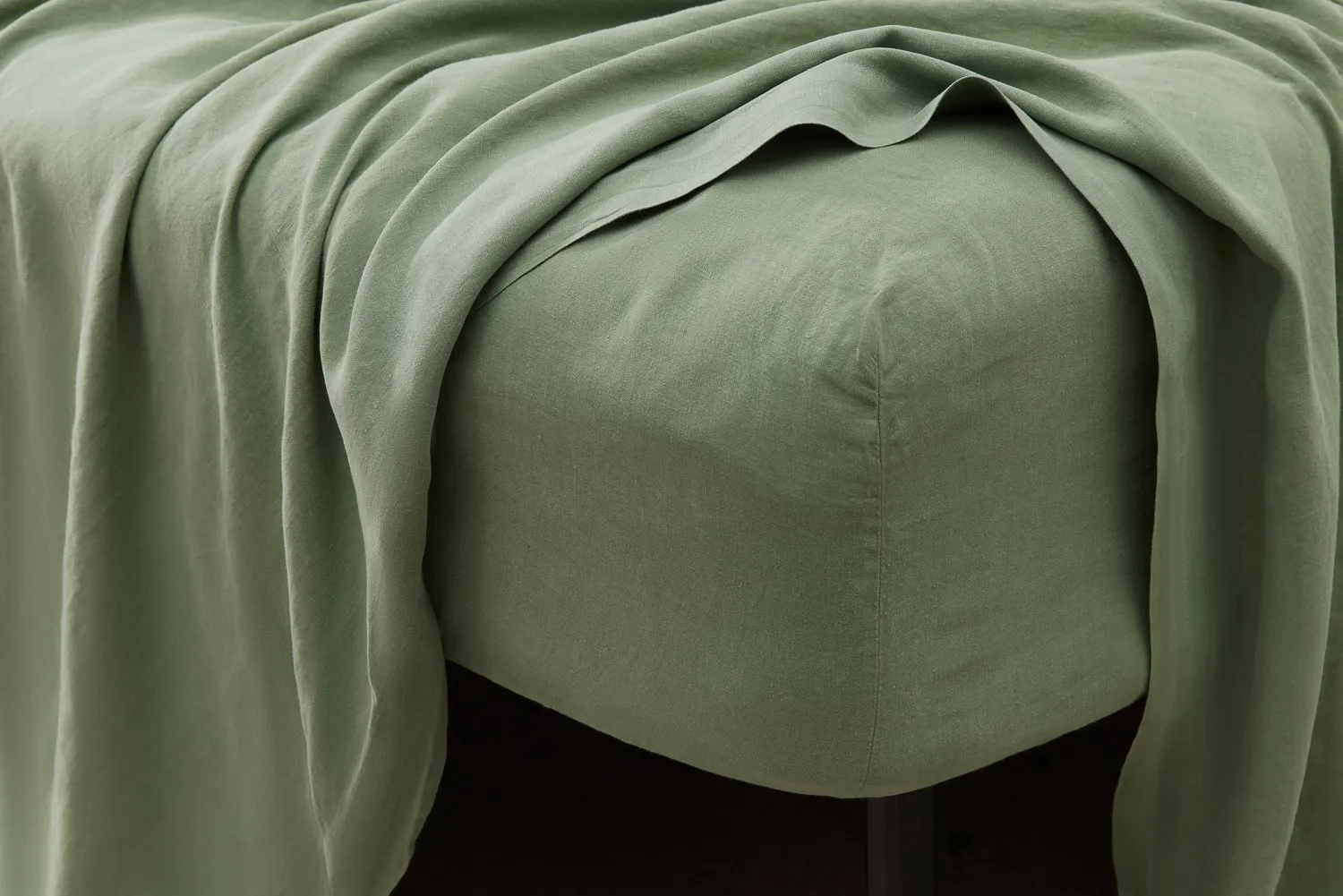
As the weather shifts, bedding becomes part of the home’s rhythm.
Heavy layers gradually move aside. Windows stay open a little longer. The bedroom feels lighter.
The change does not need to be dramatic.
A breathable sheet. A lighter blanket. A natural fibre that feels comfortable against the skin.
These are quiet adjustments, but they can change the way a bedroom feels from one season to the next.
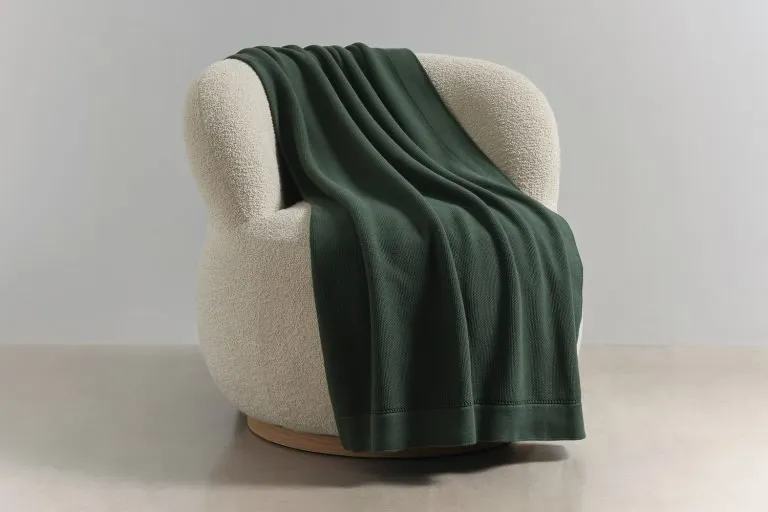
For bemboka, this is where material choice becomes more than a question of appearance. Cotton, linen and wool each have their own character, texture and performance, allowing bedding to become something that responds to the way a home is lived in.
Because seasonal comfort is rarely about one perfect fabric.
It is about choosing materials that give you room to adapt.
And when the temperature changes again tomorrow, that flexibility becomes part of the comfort.
share this


Featured Products













Read More

October 1, 2026 By bemboka
The Boutique Hotel Approach to a Warmer Winter Bedroom
Winter Bedroom Styling Ideas Inspired by Boutique Hotels Boutique hotels have a curious way of changing how we feel....
October 1, 2026 By bemboka
Choosing the Right Bedding Fabric for Winter Comfort
What Is the Best Fabric for Bedding During Winter? It’s one of the most common questions people ask as...
October 1, 2026 By bemboka
Better Sleep Begins in the Bedroom
Creating a Better Sleep Environment During Colder Months Have you ever noticed how you sleep better in some places...