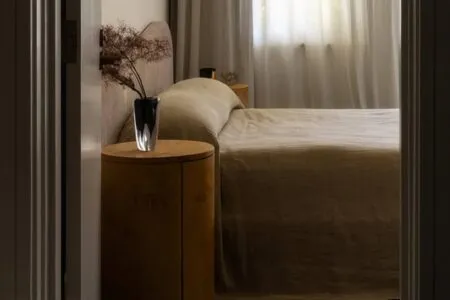
Light & Airy Bedroom Ideas for Spring
Some bedrooms feel effortless because the elements work together. The bedding, curtains, furniture and accessories share a visual language, even when they are different in colour or texture. Nothing needs to match exactly, and no single detail has to carry the entire room.
This is a useful way to approach spring styling. Rather than introducing a new colour scheme or replacing familiar furnishings, consider how the existing elements relate to one another. A change in the way bedding falls across the bed, a more restrained arrangement of cushions or a different balance between light and dark can shift the atmosphere without changing the room itself.
The most successful light and airy bedroom ideas often come down to these relationships. Colour establishes the mood, texture adds depth, and the arrangement of each element determines whether the room feels balanced or busy.

Start With The Relationship Between Light And Colour
A bedroom’s colour palette is more than a collection of shades. It is the relationship between the largest surfaces in the room, from the walls and curtains to the bedding and floor.
White bedding, for example, can look crisp against a cool grey wall or warmer beside natural timber and sandy tones. Soft green can introduce colour without dominating the room, while muted taupe gives a neutral palette more depth. The best combination depends on the existing finishes and the atmosphere you want to create.
Daylight also influences how these colours appear throughout the day. YourHome’s guide to residential lighting explains how natural light and interior surface colours affect the way a room is illuminated.
Rather than selecting every colour separately, choose one dominant shade and build around it. Let the largest surfaces establish the foundation, then introduce smaller variations through a throw, cushion or decorative object.

A simple way to approach the palette is to consider three roles:
| Role | Styling approach | Effect |
| Foundation | Ivory, warm white or soft stone | Creates a quiet visual base |
| Supporting tone | Sand, pale grey or muted green | Adds depth without dominating |
| Accent | A deeper earthy shade or subtle pattern | Gives the eye somewhere to settle |
These are not fixed rules. A bedroom with darker timber or patterned curtains may need less contrast in its bedding, while a room with plain walls can accommodate a more expressive textile. The aim is to create a palette that feels connected rather than overly coordinated.
Let Fabric Do More Of The Work
When colour is restrained, texture becomes especially important. It gives the eye something to notice without introducing additional shades or patterns.
Consider the difference between a bed made entirely with smooth, closely matched fabrics and one that combines crisp cotton with relaxed linen or a softly knitted blanket. The palette can remain almost identical, yet the second arrangement has more depth because each surface responds to light differently.
This is also where the choice of textile influences the character of the room. Linen has a naturally relaxed appearance, with folds that contribute to the overall composition. Cotton can provide a smoother contrast, while a knitted throw introduces a more pronounced texture.
For a relaxed, naturally textured finish, explore bemboka’s pure linen bedding, which brings the understated character of linen into the bedroom.
The key is to vary the surfaces without making every layer compete for attention. If the bedding has a noticeable weave or finish, keep the surrounding pieces relatively quiet. When the main bedding is smooth and understated, a textured throw can become the defining detail.
For a considered spring bedroom, two or three complementary textures are often enough. The result should feel layered, but the individual materials should still have room to be seen.
Style the Bed Around One Clear Detail
The bed usually occupies the largest visual area in a bedroom, so small styling decisions can have a disproportionate effect on the room as a whole.
Instead of adding layers until the bed looks complete, choose one detail to lead the arrangement. This might be a folded blanket at the foot of the bed, a linen duvet cover with a relaxed drape, or a restrained combination of pillows in different fabrics.
A lightweight blanket can introduce a contrasting texture or colour without overwhelming the bedding beneath it.

The remaining elements can support that decision. If a blanket has a strong texture, keep the pillows simpler. If the bedding is plain, a subtle stripe or contrasting edge can introduce interest without making the arrangement feel overly decorative.
Proportion matters here, too. A wide folded blanket creates a defined band across the bed, while a throw draped over one corner feels more informal. Neither needs to be accompanied by an elaborate pillow arrangement.
The aim is to make the bed feel composed rather than staged. Allowing some fabric to fall naturally can give the arrangement a sense of ease, particularly when the surrounding furniture and accessories are kept relatively simple.
One Change, Three Ways: A Bed Styling Challenge
Here is a simple way to put those ideas into practice. Use the bedding you already have and try styling the bed three different ways before deciding which finish suits your room.
1. Keep it crisp.
Start with the main bedding and arrange the pillows neatly. Leave off the extra blanket so the colour and texture of the sheets and duvet cover become the focus. This works particularly well when the bedding has an interesting weave or a subtle pattern worth showing.
2. Add texture.
Fold a contrasting blanket across the foot of the bed. Choose one that introduces a different texture or a complementary shade, rather than adding another layer that looks almost identical to the bedding.
3. Loosen the arrangement.
Drape the blanket over one corner and allow the bedding to fall more naturally. Keep the rest of the arrangement simple so the relaxed finish looks intentional rather than untidy.
Try all three before settling on your favourite. The difference may be subtle, but changing the placement of a single textile can alter the balance of the entire bed.
Use Contrast Without Making the Room Feel Busy
A light bedroom does not need to be entirely pale. In fact, a small amount of contrast can help define the space and prevent a neutral palette from feeling indistinct.
The contrast can come from colour, but it can also come from shape, material or finish. Dark timber beside white bedding creates a clear boundary. A textured blanket against smooth sheets adds visual separation. Framed artwork above a softly upholstered bedhead gives the eye a focal point without requiring more colour across the bed itself.
The important distinction is between contrast that gives the room structure and contrast that competes for attention. If the bed already has a noticeable pattern or strong colour, keep accessories more restrained. If the bedding is quiet, artwork or a single accent textile can carry more visual weight.
This approach also makes it easier to work with pieces you already own. Rather than introducing a new set of spring accessories, reconsider which existing details deserve to stand out and which can recede into the background.
Edit The Details Around The Bed
Once the bedding and colour palette feel balanced, look at the surrounding furniture. The aim is not to remove personality from the room but to avoid having every surface demand attention.
A bedside table might need only a lamp and one personal object. Artwork can provide a focal point without requiring additional decoration beneath it. A chair can remain part of the room’s composition rather than becoming a place where spare bedding and clothing accumulate.
These decisions are particularly useful in smaller bedrooms, where the relationship between furniture and open floor space affects how the room is perceived. Moving an object or removing one unnecessary piece may have more impact than introducing another decorative item.
Keep the details that contribute to the room’s character. A favourite book, a ceramic vase or a piece of artwork can make a restrained palette feel personal. The goal is to give those pieces enough space to be appreciated.
A Lighter Look, Built Around What You Have
A spring bedroom does not need a new set of furnishings to feel different. Often, the more useful change is to reconsider the relationship between the pieces already in the room.
If you’re looking for more ways to approach a seasonal update, bemboka’s guide to refreshing your bedroom for spring explores how small, considered changes can reshape the feel of a familiar space.
Start with the bed, since its colour and texture establish much of the room’s visual direction. Try the three styling variations, then look at how the chosen arrangement works with the surrounding colours, materials and furnishings.
From there, work with the existing palette and materials. A different blanket arrangement, a more deliberate contrast between fabrics or a simpler bedside display can change the overall impression without making the bedroom feel unfamiliar.
Explore bemboka’s collection of bedding, blankets and throws for natural textures and considered layers that bring depth to a light, relaxed bedroom.
share this


Featured Products




































Read More

October 30, 2026 By bemboka
How to Style Your Bedroom for Spring Without Starting Over
How to Transition Your Bedroom From Winter to Spring A winter bedroom often has a particular kind of presence....
October 8, 2026 By bemboka
Spring Bedroom Refresh: Rethinking Your Space For The Season
Why Spring Is The Perfect Time To Refresh Your Bedroom The bedroom is often the last room to acknowledge...
October 1, 2026 By bemboka
Breathable Bedding For Spring And Summer: Choosing Comfort As Temperatures Change
Why Breathable Bedding Matters During Seasonal Transitions There is a strange period at the beginning of spring when the...