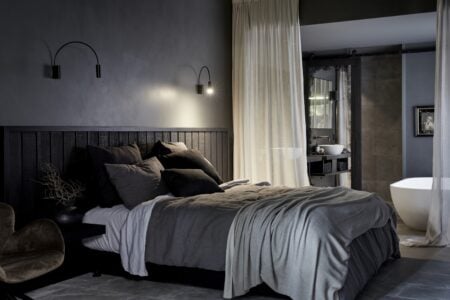

How Australian Light Shapes the Way We Choose Colour and Fibre
Light is often treated as something that reveals a room.
In Australian homes, it does something more.
It changes colour. It softens texture. It alters the way materials are experienced from one hour to the next.
A throw that appears cool and understated in the morning may feel noticeably warmer by late afternoon. Linen that seems softly textured under overcast skies can take on greater depth as sunlight moves across its surface. Even the most carefully chosen palette can shift throughout the day, influenced by changing conditions beyond the walls of the home.
This relationship between light and material is one of the defining characteristics of Australian interiors.
In a country known for expansive skies, strong natural light, and a close connection between indoor and outdoor living, understanding how colour and fibre respond to light can change the way we design our spaces.
Australia’s distinctive environmental conditions have long influenced architecture, materials, and the way we experience our homes.

Living With Light Rather Than Controlling It
Australian design has long embraced openness.
Large windows, generous sightlines, and a natural connection to the landscape have become hallmarks of contemporary Australian homes. Rather than shielding interiors from the environment, many spaces are designed to welcome it in.
This creates a different relationship with colour.
In regions with softer or more diffused light, deeper colours can feel restrained and subtle. Under Australian light, those same colours may appear far more intense. Equally, colours that seem quiet on a sample card can reveal surprising complexity once introduced into a light-filled room.
“Australian design has always been about simplicity, openness, and a connection to nature. The materials we choose should work with that environment, not compete with it.” – Petr Houf, Director, Owner & Designer
Perhaps this is why Australian interiors have developed such an affinity for natural materials and considered palettes. Rather than dominating a space, they allow light to remain part of the experience.
Why Colour Rarely Stands Still
We often speak about colour as though it is fixed.
Yet colour is constantly responding to its surroundings.
The same textile may appear entirely different depending on the time of day, the season, or even the direction a room faces. Morning light often introduces warmth and softness. Midday light reveals clarity and contrast. As the sun begins to lower, colours can become richer and more atmospheric.
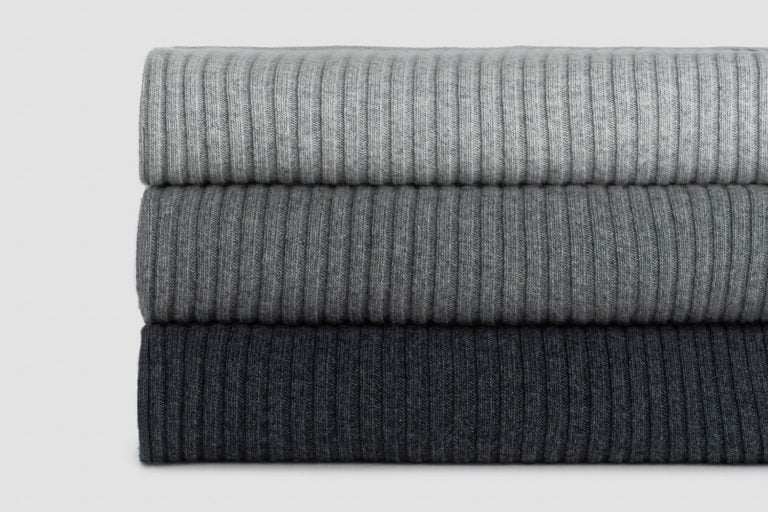
A warm oatmeal throw may feel almost creamy at sunrise before settling into a more neutral tone throughout the afternoon. Soft greys can shift between cool and warm depending on surrounding materials and available light.
This movement is not a flaw in design. It is part of what gives a space life.
The most enduring interiors often embrace this variability rather than attempting to eliminate it.
Many of the principles behind timeless colour selection can also be seen in our guide to creating a calm and timeless neutral bedroom, where layered tones and natural textures work together to create depth and balance.
Fibre as a Design Element
Colour is only one part of the story.
The fibre itself plays an equally important role in how a material is perceived.
Synthetic materials struggle to replicate the way natural fibres interact with light. Cotton, linen, wool, cashmere and bamboo all feature subtle imperfections that add depth across a surface. Rather than bouncing light back evenly, they scatter it, producing softness and variation.
This effect is often difficult to describe but easy to recognise.
A knitted cotton throw reveals shadows within its weave as daylight moves through a room. Linen develops character through natural creases and texture. Cashmere carries a softness that seems visible even before it is touched.
These qualities help explain why natural fibres remain central to contemporary Australian interiors. They bring texture without heaviness and interest without excess.
The Appeal of Materials That Reveal More Over Time
Some materials communicate everything immediately.
Others reveal themselves gradually.
Natural fibres often belong to the second category.
As light changes throughout the day, different qualities emerge. Texture becomes more apparent. Tonal variation becomes more noticeable. Surfaces that initially appear simple begin to show greater complexity.
This is particularly evident in textiles created using mélangé yarns, where multiple tones are blended within a single fibre. Rather than presenting a fixed colour, the material responds to changing conditions, creating depth without relying on contrast.
The result is a quieter form of visual interest. One that rewards attention rather than demanding it.
For a closer look at this relationship between colour, texture, and material, explore our article on mélangé yarns in Australian interiors.
Choosing Materials for the Way You Live
When selecting textiles for the home, it can be tempting to focus on colour alone.
Yet colour is only one part of what creates a lasting impression.
The way a material responds to light, how it feels within a space, and how it changes throughout the day can have an even greater influence on the overall atmosphere of a room.
This is one reason many designers recommend viewing materials in natural light whenever possible. What feels perfect under artificial lighting may tell a different story when introduced into a living environment.
Natural fibres tend to perform particularly well in this context because they offer flexibility. They adapt rather than dominate.
A Distinctly Australian Design Philosophy
Australian interiors have never relied heavily on ornamentation.
Instead, they often draw their character from light, texture, and carefully selected materials.
This approach creates spaces that feel calm without being minimal and sophisticated without feeling formal.
The relationship between light and material sits at the centre of this philosophy. It influences how colours are chosen, how textiles are layered, and how a room evolves throughout the day.
Rather than designing against the environment, Australian homes often work with it.
This relationship between environment and material extends beyond interiors, influencing everything from bedding choices to the way Australians sleep throughout the seasons.
Designing With Light in Mind

The most successful interiors are rarely defined by a single colour, fabric, or piece of furniture.
They emerge from a conversation between space, material, and light.
In Australian homes, where natural light is both abundant and constantly changing, that conversation becomes especially important. Colours shift. Fibres respond. Textures reveal new qualities as conditions evolve.
When thoughtfully chosen, natural materials do more than complement a room. They become part of the experience itself, bringing warmth, depth, and quiet beauty to everyday living.
To explore textiles designed for Australian homes, discover the bemboka collection and experience how natural fibres respond to light, texture, and time.
share this


Featured Products



Read More

June 23, 2026 By bemboka
How Do You Wash a Cashmere Scarf? Preserving Softness and Longevity
How Do You Wash a Cashmere Scarf? A Gentle Care Routine “Luxury should be honest, enduring, and accessible.” Petr...
July 17, 2026 By bemboka
Creating a Cosy Bedroom for Winter
How to Make a Bedroom Feel Cosy During Winter During winter, the bedroom naturally becomes one of the most...
July 23, 2026 By bemboka
Better Sleep Begins in the Bedroom
Creating a Better Sleep Environment During Colder Months Have you ever noticed how you sleep better in some places...