
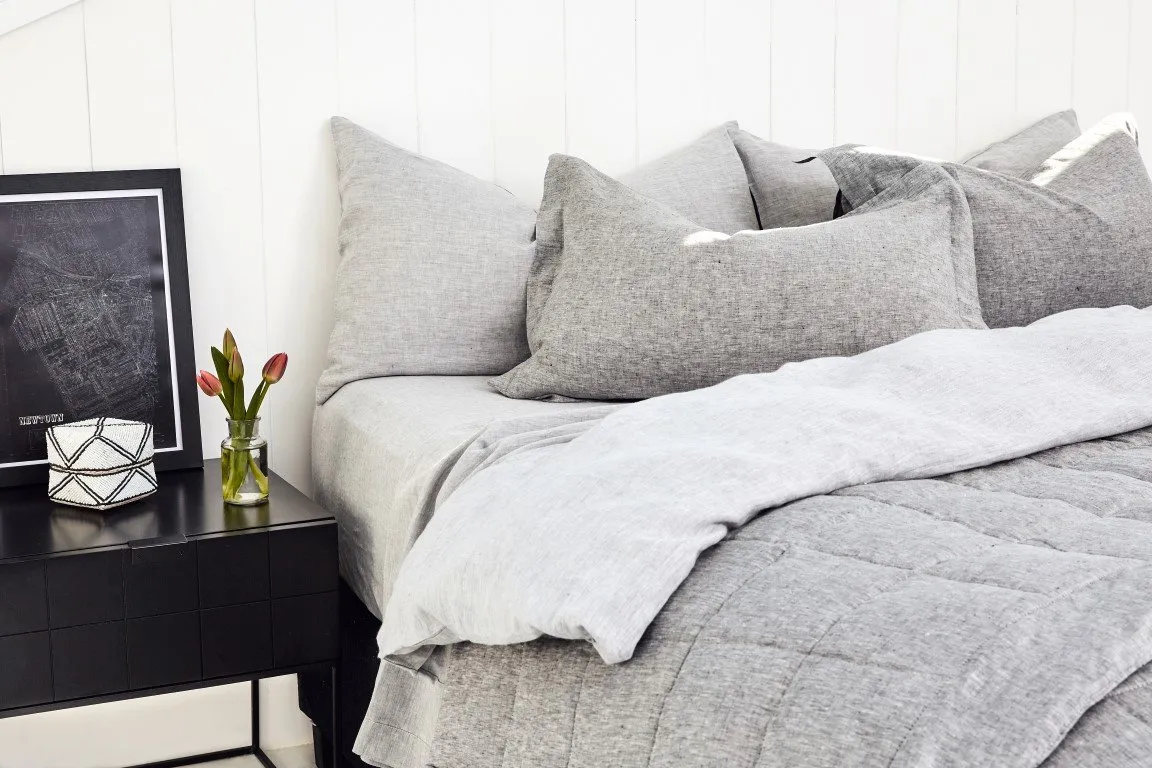
What Is the Best Fabric for Bedding During Winter?
It’s one of the most common questions people ask as the weather cools.
What’s the best fabric for winter bedding?
Most people expect a simple answer. Wool. Flannel. Something thick.
But winter comfort is a little more interesting than that.
As the Australian seasons shift and the nights grow cooler, many of us instinctively reach for heavier bedding. Yet the warmest bed isn’t always the one with the heaviest blanket, and the best bedding isn’t necessarily the fabric that traps the most heat. More often, it’s the bedding that responds to you. It keeps warmth close when the night turns cold, allows excess heat to escape when your body temperature changes, and feels just as inviting at ten o’clock as it does at three in the morning.
That’s why premium bedding has never been about choosing one perfect fabric. It’s about choosing natural fibres that work together.

Warmth Should Never Feel Heavy
Think about the difference between wearing a thick synthetic jumper and a beautifully made wool knit.
One simply makes you hot.
The other keeps you comfortable.
Quality bedding works in much the same way.
Natural fibres don’t rely on bulk to create warmth. They create tiny pockets of insulation while continuing to breathe, helping your body stay at a comfortable temperature throughout the night rather than becoming too warm and then too cold a few hours later.
It’s a quieter kind of comfort.
The sort you don’t really notice until you realise you’ve slept through the night without waking to throw the blankets off.
The Best Winter Beds Are Built in Layers
Luxury hotels rarely make the bed warmer by adding one impossibly heavy blanket.
They layer.
A breathable cotton fitted sheet. Linen that softens with every wash. A wool blanket folded across the end of the bed, ready when the temperature drops.
Each layer has a purpose.
That flexibility matters because winter isn’t constant. A crisp evening can become a surprisingly mild night, and the bedding that feels perfect when you first climb into bed may feel very different by morning.
Layering allows the bed to adapt with you instead of asking you to adapt to it.
“Luxury isn’t created by adding layers indiscriminately. It comes from knowing when something is enough and letting materials do their work.” – Petr Houf, Director, Owner & Designer, bemboka
Every Fibre Brings Something Different
This is where many bedding guides become a comparison.
Cotton versus linen.
Linen versus wool.
Cashmere versus everything else.
The reality is less competitive.
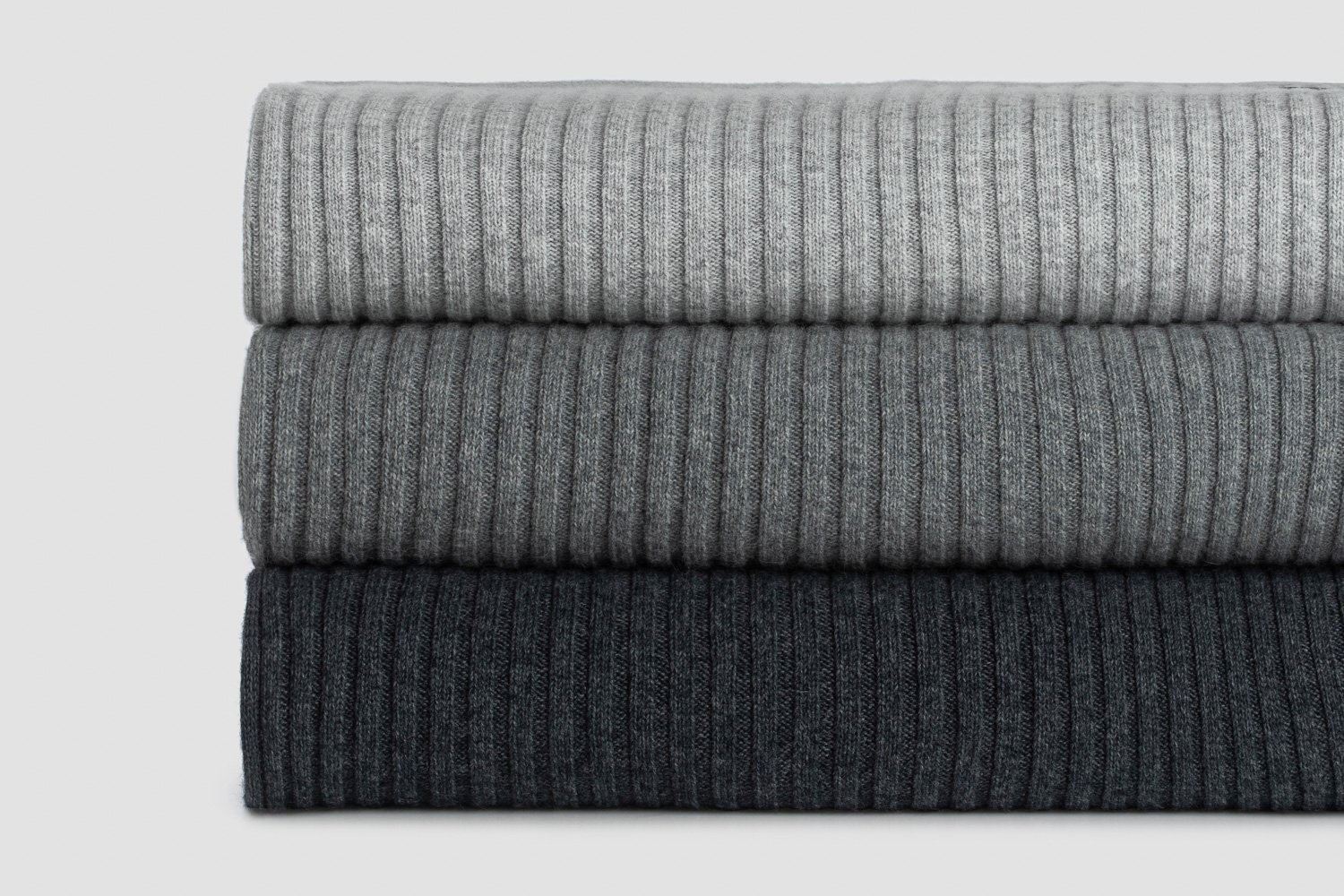
Cotton feels fresh and breathable against the skin, making it an ideal foundation throughout the year.
Linen develops a beautifully relaxed softness over time while naturally helping regulate temperature.
Wool provides warmth without excessive weight, making it particularly valuable during colder months.
Cashmere offers exceptional softness and gentle insulation, bringing an added sense of comfort to the layers above.
The question isn’t which one wins.
It’s how they work together.
Winter Comfort Isn’t Measured in Tog Ratings
When we think about winter bedding, it’s easy to focus on warmth alone.
Boutique hotels tend to think differently.
They create beds that feel inviting before you’ve even climbed in.
The sheets feel smooth against your skin. The blanket has just enough weight to feel reassuring without becoming restrictive. Every layer contributes something different to the experience.
Comfort becomes something you notice without ever thinking about it.
That’s often the difference between buying bedding for winter and investing in bedding you’ll continue to enjoy for years.
Choose Bedding That Will Still Feel Right Next Winter
The best winter bedding isn’t designed for one season.
It’s designed to become part of your home.
Natural fibres soften with time. Wool continues to perform year after year. Beautifully made bedding develops familiarity as well as comfort, becoming something you look forward to returning to every evening.
Perhaps that’s why the question isn’t really what fabric is best for bedding during winter?
A better question might be:
Which materials will still feel beautiful long after winter has passed?
For many homes, that’s where thoughtfully crafted natural fibres continue to stand apart.
Good Bedding Shouldn’t Make You Think About Bedding
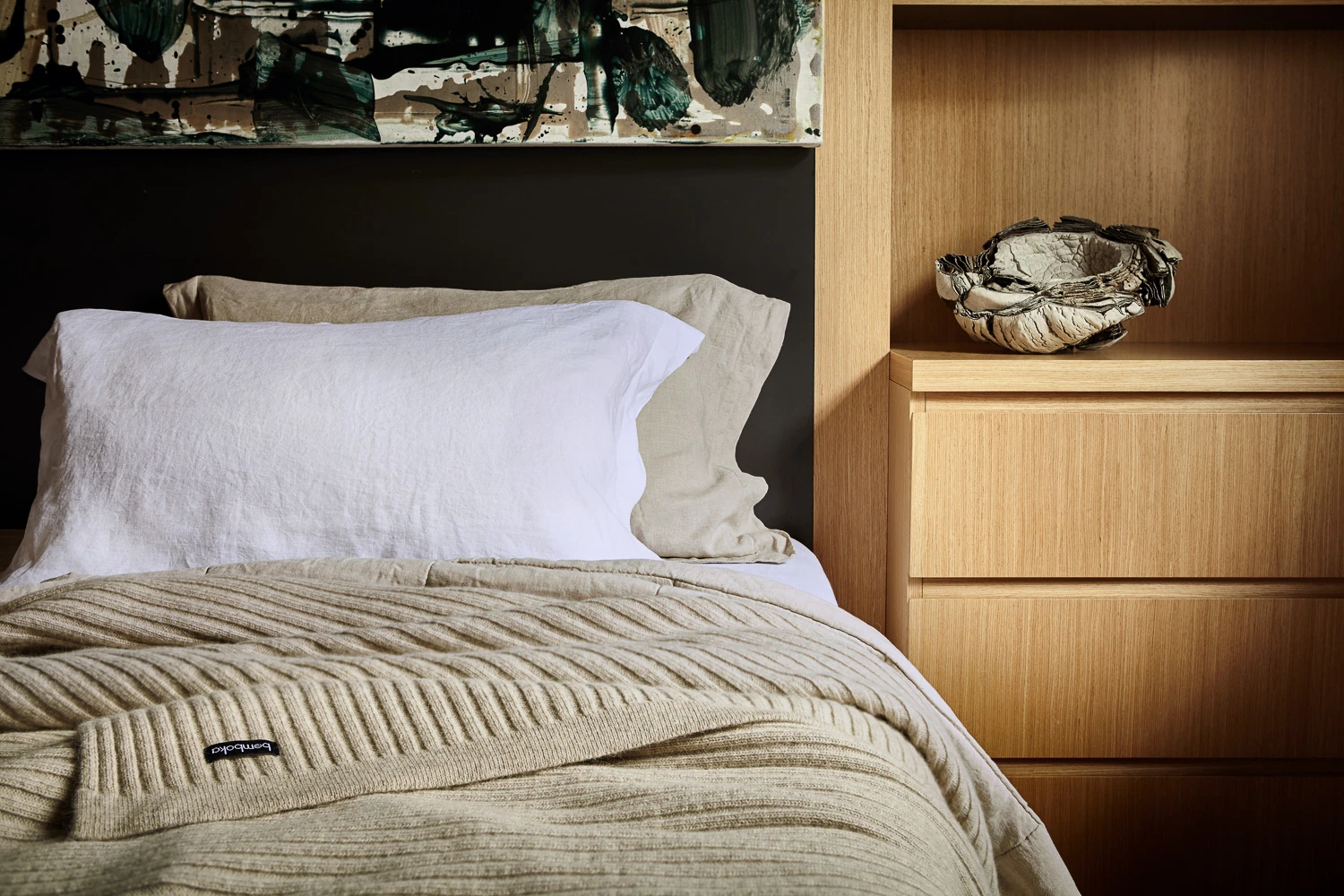
The best winter bedding rarely announces itself.
It simply feels comfortable. You fall asleep without adjusting the blankets. You wake up without feeling too hot or too cold. Season after season, it continues to do exactly what it was designed to do.
Perhaps that’s the real answer to the question of what fabric is best for winter. It’s not one material in isolation but a thoughtful combination of natural fibres that work quietly in the background, allowing comfort to become something you simply experience.
Discover the bemboka Bedroom Collection today.
share this


Featured Products





Read More

July 23, 2026 By bemboka
Better Sleep Begins in the Bedroom
Creating a Better Sleep Environment During Colder Months Have you ever noticed how you sleep better in some places...
September 14, 2026 By bemboka
The Boutique Hotel Approach to a Warmer Winter Bedroom
Winter Bedroom Styling Ideas Inspired by Boutique Hotels Boutique hotels have a curious way of changing how we feel....
October 1, 2026 By bemboka
Breathable Bedding For Spring And Summer: Choosing Comfort As Temperatures Change
Why Breathable Bedding Matters During Seasonal Transitions There is a strange period at the beginning of spring when the...